Modernise Existing Software

Update PHP.
Preserve proven workflows.

Your PHP application is still needed, but an upgrade is approaching? I review the existing code and plan the changes, so you know what can be retained and what needs modernising.

Discuss your modernisation

Stefan Pilz · PHP development and codebase reviews · 100% remote

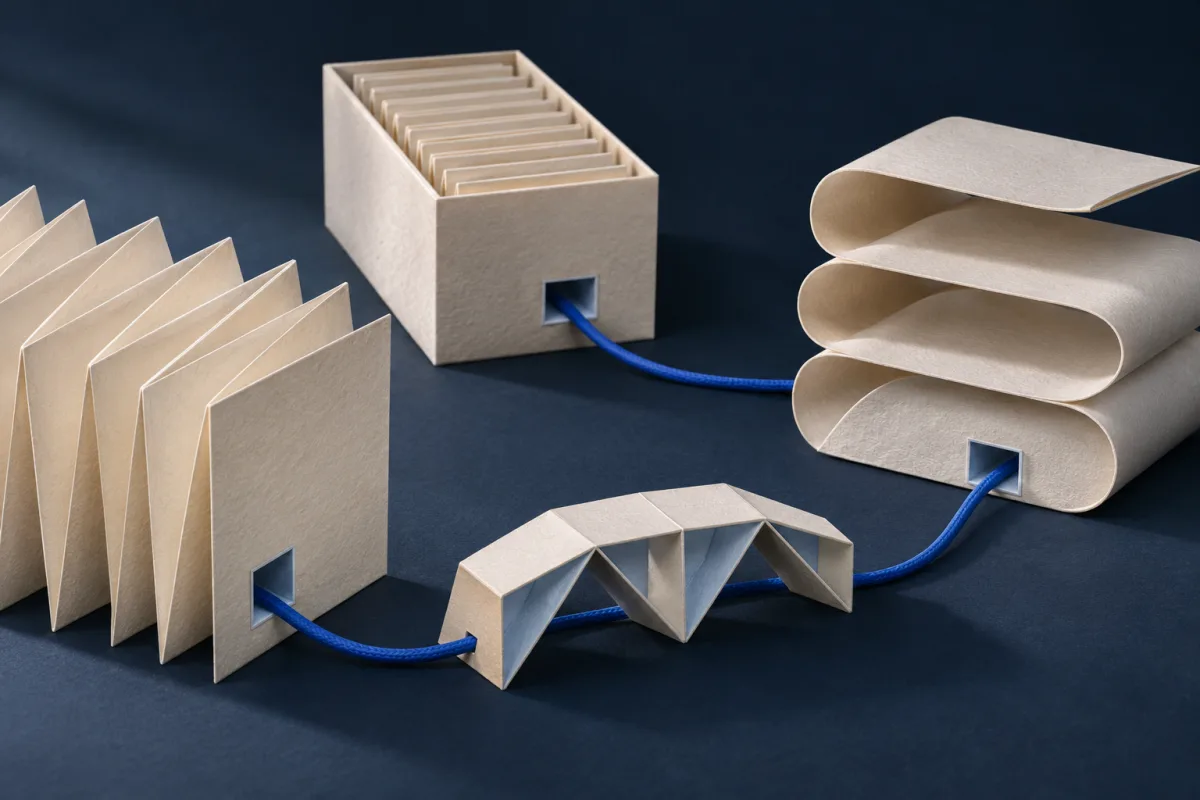
IllustrationKeep established workflows while updating the technology.

SERVICE OVERVIEW

What modernising a PHP application involves

Software modernisation means developing an existing application further without prematurely replacing important business processes. SP Webconsulting supports the analysis and modernisation of PHP applications, including updates, new integrations and additional functionality. I compare incremental changes with possible replacements based on the actual system.

An application often remains valuable even as changes become harder: its runtime is old, dependencies are unclear, documentation is missing or the original developer is no longer available. At the same time, it supports workflows that a standard product cannot easily replace. A technical assessment clarifies the possible next steps.

Your contact: Stefan Pilz · Stefan Pilz Ltd. · Collaboration is 100% remote

SERVICE SCOPE

Review the existing system and improve it selectively

Examine code, dependencies and business processes

I assess the structure, runtime, libraries, database and external connections, together with the workflows that matter most in daily operation. Technical issues do not all have the same priority. We distinguish immediate obstacles, necessary groundwork and improvements that can follow later.

Prepare updates in suitable stages

Based on the assessment, I plan possible steps for updating PHP, frameworks and libraries. Changes are tested in a separate environment where one exists or can be set up. If test coverage is missing, important workflows are first documented clearly and protected through targeted checks.

Add functions and improve system boundaries

Modernisation can also mean adding an integration, replacing a manual import or isolating a particularly difficult part of an application. Feature requests and technical cleanup are evaluated separately, so it remains clear which need each change addresses.

POSSIBLE USE CASES

Three reasons to modernise software

Example workflow

Test a change before adopting it.
  1. 01
    Existing systemIdentify dependencies
  2. 02
    Test environmentPrepare the change
  3. 03
    ComparisonTest key workflows
  4. 04
    ReleaseAgree rollout & recovery

A possible approach. Tests, backups and recovery depend on the application.

The following examples describe possible assignments, not documented client projects.

Prepare an internal PHP application for a newer runtime

Dependencies and important business processes are reviewed first. The application is then adjusted incrementally in a test environment, with incompatibilities documented and addressed as they emerge.

Connect a legacy application to current systems

An application that is still needed must exchange data with a store or ERP system. We review existing export methods and possible integrations before making changes deep inside the application.

Replace a difficult module selectively

One part frequently causes problems while the rest of the system remains useful. That task can be isolated and replaced gradually where data and functional dependencies allow it.

DELIVERABLES & SCOPE

Your modernisation plan and possible constraints

Your agreed deliverables

We agree the deliverables before starting. Depending on the scope, these may include:

  • An assessment covering technical dependencies, open questions and prioritised actions
  • An agreed modernisation path with manageable implementation stages
  • Agreed updates or extensions, including relevant tests
  • Documented changes and an agreed release and rollback approach

What we clarify beforehand

Some changes may not be possible without source code, suitable access or replaceable dependencies. An initial assessment can also reveal problems that could not be estimated reliably beforehand. Assumptions and scope are therefore documented. A release without interruption cannot be promised in every case, especially where data changes are involved.

Effort and costs

Information about your PHP version, framework, hosting and known issues is helpful, along with a description of the main workflows. Incomplete information is enough for an initial conversation. We then agree the actual review, necessary access and a limited analysis scope. My work is entirely remote.

WORKING TOGETHER

From an existing system to a gradual transition

Make the existing system accessible

We clarify source-code access, runtime, database and the main user workflows. Missing information is recorded as open questions.

Assess risks and options

I explain which updates depend on others and what alternatives exist. A complete rebuild is not assumed automatically.

Change and test incrementally

An agreed stage is implemented and tested against relevant workflows. Results and new findings inform the next steps.

Agree release and further maintenance

Before production changes, we clarify backups, possible interruptions and rollback options. The next stage is decided based on what has been achieved.

RELEVANT EXPERIENCE

A practical upgrade from PHP 5.6 to PHP 8.4.

For a custom-built website, I adapted the existing PHP code to a newer runtime. This anonymised project demonstrates that upgrading an existing application can be possible; the effort for your system needs a separate assessment.

Anonymised client project · Starting point

PHP 5.6 without a framework

An established website with many individual PHP files needed to remain in use. Its existing functionality and code formed the starting point.

The same project · Implemented result

The existing application runs on PHP 8.4

The code was adapted and retained. A complete rewrite was not needed for this project. A review establishes whether the same approach is suitable for your application.

RELATED SERVICES

Focused services

PHP upgrade

Adapt code to PHP 8.4 or 8.5. Security support for PHP 8.2 ends on 31 December 2026.

Database clean-up

Remove orphaned tables and outdated data with a backup and a way back.

QUESTIONS & ANSWERS

Questions about modernising existing software

Does the application have to be taken offline?

Development and testing can take place separately from live operation. Whether release requires an interruption depends particularly on database changes.

How do you decide between modernisation and a rebuild?

I consider the condition of the code, its dependencies and the business processes that must be preserved. We then compare incremental modernisation, targeted replacement components and a possible rebuild. Effort, risks and future requirements matter more than the application's age alone.

What do you need for an initial assessment?

Source-code access, information about PHP and database versions, and a description of the main workflows are useful. Existing documentation and a test environment make the review easier. Credentials are exchanged later through an agreed secure channel, rather than through the enquiry form.

What happens if there are no automated tests?

We first document important business workflows and known error cases. Tests can be added for particularly relevant areas before making changes. The appropriate level of protection depends on the scope, testability and importance of the affected functions.

Can modernisation be divided into stages?

Often, yes. For example, we can first investigate critical dependencies, then update the runtime and subsequently add features. The order follows technical dependencies and operational risks. Each agreed stage has a clear scope and acceptance criteria.

NEXT STEP

Which application will you still need tomorrow?

Tell me about the application, known technical issues and the most important change you want. We will establish what is needed for an initial assessment.

Your enquiry goes directly to me, Stefan Pilz. We agree the scope and costs before you commission any work.

What happens next

  1. Clarify the situation

    I read your enquiry and get back to you. Together, we clarify your goals, constraints and open questions.

  2. Choose a practical starting point

    Depending on the project, we start with a specific implementation or an analysis agreed in advance.

  3. Agree on scope and a proposal

    You know which services and deliverables are included. We agree on scope, effort and costs before you commission the work.

Enquire about modernisation

* Required fields. A short description is enough.

I will reply to this address.

Which PHP version and framework do you use? Describe the reason for the upgrade, essential features and any hosting deadline. We can clarify unknown technical details later.

This helps me get an initial impression.

Your information is used to process your enquiry. See the privacy policy for details. Please do not send login credentials or sensitive documents.

Sending an enquiry does not place an order.